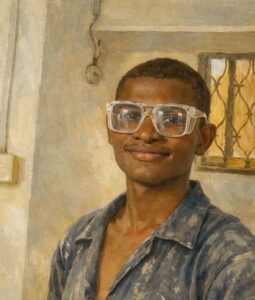

The Science of Resale: Oliver Crust’s $10k Thrift Hustle

For many high school seniors, the primary focus is graduation and the daunting reality of college tuition. However, Oliver Crust has spent his high school years mastering a different kind of curriculum: the “Science of Resale.” What started as a freshman year curiosity about vintage style has evolved into a sophisticated side business that has generated over $10,000 in college savings.
Oliver’s journey is a masterclass in market arbitrage identifying undervalued assets in thrift stores and “the bins” and repositioning them for a global audience of vintage enthusiasts.
The Strategy: Arbitrage and Inventory Management
The core of Oliver’s business logic is a simple but powerful math equation. By sourcing at “the bins” (Goodwill outlets), he acquires inventory at a weight-based price typically around $2 per pound. By identifying high-demand vintage pieces, he is able to flip those same items for a minimum of $20, with rare finds reaching upwards of $100 to $200.
“I enjoy saving these clothes and giving them to a new owner while putting a pretty penny in my pocket,” Oliver says. This high-margin strategy allowed him to amass significant savings while still maintaining his status as a full-time student.
The Operations: From Attic to Storefront
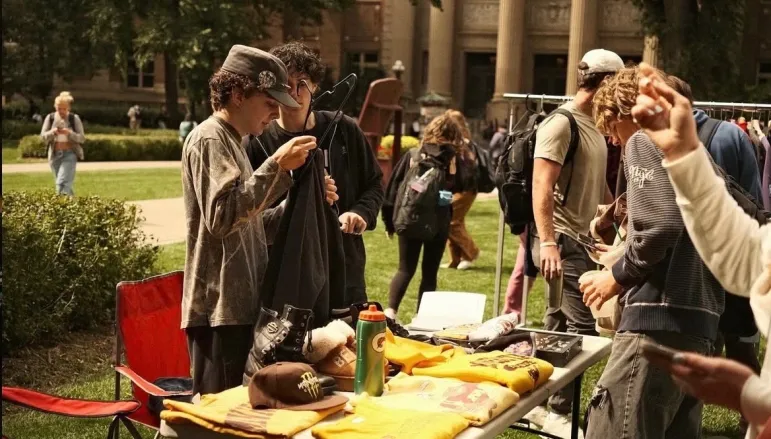
Oliver transformed his home’s attic into a professional operations hub. His process is a refined pipeline:
- Sourcing: Dedicating weekends to consistent “hunting” at secondhand shops.
- Quality Control: Learning from early mistakes, Oliver now ensures every item is washed and prepared to be “ready-to-wear” to protect his seller rating.
- Digital Merchandising: Using a dedicated photo setup in his attic to elevate the visual appeal of each piece before listing.
- Multi-Channel Selling: Scaling his reach by listing across major resale platforms like Depop, eBay, and Grailed simultaneously.
The Sustainability Factor: Extending the Life Cycle
Beyond the “Science of Commerce,” Oliver is driven by a commitment to the circular economy. The fashion industry is one of the world’s largest waste producers. By sourcing from outlets where unsold items are often destined for incinerators or landfills, Oliver acts as a literal “rescuer” of textiles.
He notes that the quality of modern “fast fashion” (heavy polyester blends) doesn’t match the durability of true vintage cotton. By focusing on these high-quality, unique stories, he provides a sustainable alternative for consumers who value character over mass production.
The Takeaway for Student Founders
Oliver is intentional about keeping his business as a flexible “side venture” rather than a full-time career. This allows him to maintain his creative passion without the burnout of high-volume retail. For other students looking to build their own college funds, his advice is rooted in mentorship: find someone with experience, learn their methods, and adapt them to your own situation.
As Oliver prepares for graduation, he isn’t just bringing a diploma to college, he is- bringing a proven business model and a $10,000 head start.
About The Author