

Vatsal Pandya: From Internships to Building an AI Startup
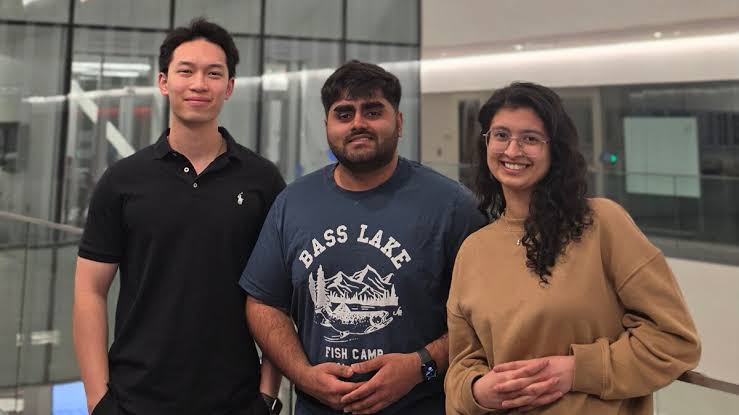
Vatsal Pandya was just another student applying for opportunities until something changed, but not in the way you would expect.
Pandya arrived at the University of Nebraska–Lincoln as an international student from Mumbai, focused on making the most of his education.
Through internships, coursework, and exposure to real-world systems, he began to notice patterns, especially in how software teams operated under pressure.
A Problem Hidden in Plain Sight
During his internships, one issue kept showing up. When systems failed, engineers were often forced to wake up in the middle of the night to fix problems, sometimes after already working a full day.
It wasn’t just inconvenient. It was exhausting. “You’re not getting paid extra, but you carry that burden,” Pandya explained, pointing to the human cost behind technical systems that are expected to run 24/7. The problem wasn’t new. But it was still largely unsolved
How Pandya Solved The Problem
Instead of treating it as just another workplace inconvenience, Pandya decided to build around it. He decided to build TasksMind, an AI startup, alongside co-founders Kashish Syed and Thang Do, whom he met through student networks and internships.
TasksMind was created to handle on-call incidents using artificial intelligence, from detecting issues to proposing and testing fixes. Rather than simply suggesting solutions like many AI tools, the system is designed to act within real production environments.
To ensure the idea wasn’t just theoretical, Pandya conducted over 100 interviews with engineers across companies, including Amazon Web Services. That process helped him understand that while the work felt complex, the steps engineers followed were often repetitive.
Betting on the Idea Fully
As the startup began to take shape, Pandya was selected for the Dedalus Labs Break In program in San Francisco, where he pitched his idea to investors.
The experience led to backing from Forum Ventures and NVIDIA’s Inception program, with the company raising close to $500,000.
With graduation approaching, he made a decision that many students hesitate to make. He chose to go all in. By the time the reply from Apple finally came, he was already building his own startup.
What to Learn from Pandya’s Journey
Looking back, Pandya’s journey reflects a shift many student entrepreneurs struggle with. That is, moving from chasing opportunities to creating them.
For student entrepreneurs, the takeaway is clear: You don’t always have to wait to be selected. Sometimes, the better move is to start building imperfectly, but intentionally. Because in the end, the biggest opportunities are often created, not given.
About The Author