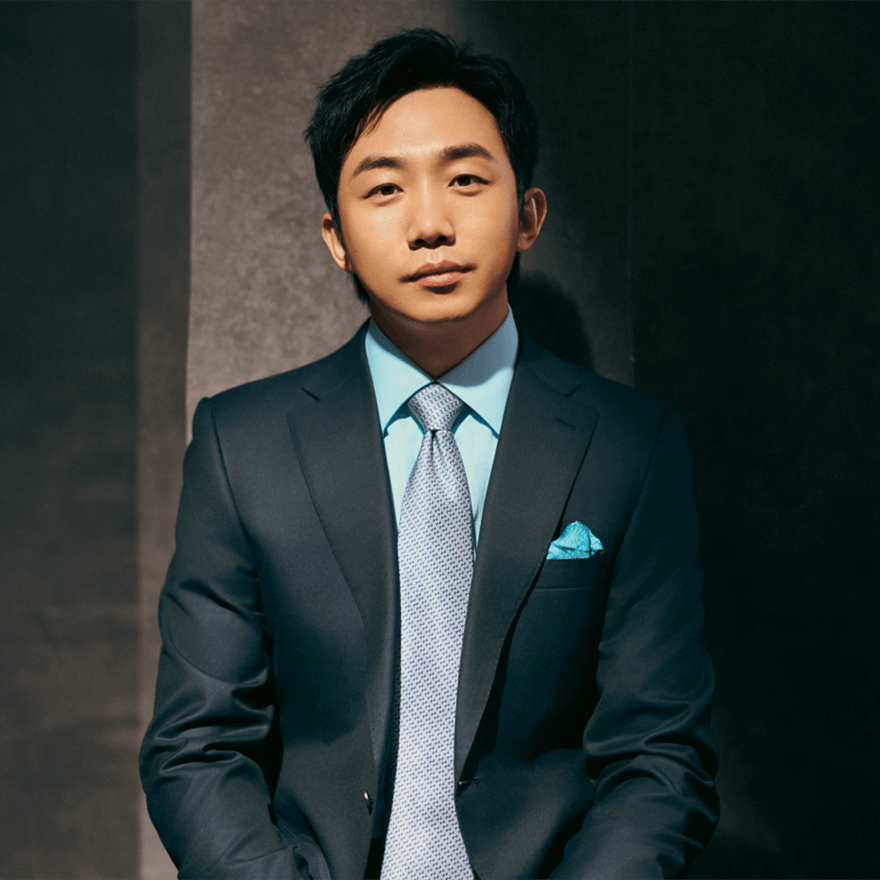
Wang Ning was born in China’s Henan Province and graduated with a degree in advertising from Zhengzhou University in 2009. He worked briefly at Sina Corporation (owner of Weibo) before launching something of his own.
In 2010, he launched Pop Mart in Beijing, which featured a shop selling a wide range of trendy items—comics, phone accessories, stationery, to start intending to experimenting with what customers liked.
Transition to Designer Collectibles & Blind-Box Model
Wang Ning understood quite early that the toy market, especially the collectors, craved novelty, surprise, and emotional connection with the product. To capitalize on this, Pop Mart opened the door to the blind-box model—a packaging structure where the consumers have no idea what variant of a toy they get until they open it. This model generates excitement, collectibility, and repeat business.
Pop Mart also worked with artists to create new characters. One of the first successes was the Molly doll with artist Kenny Wong. The character Labubu—created by artist Kasing Lung—also became a hit later on.
Viral Popularity & Global Expansion
Labubu went wild in popularity during the 2023-2024 period. The union of visual uniqueness (cute, nerdy aesthetics), mystery (blind boxes), scarcity (limited releases and re-stocks), and celebrity endorsement fueled global demand. Pop Mart expanded across Asia, Europe, and around the world.
Sales skyrocketed: through the first half of 2025, Pop Mart’s revenues surged year-on-year to almost 13.9 billion yuan, its profits went up dramatically, and the company’s market capitalization rose exponentially. Wang Ning’s personal wealth also ballooned, making him China’s youngest billionaire.
Business Strategies Powering the Success
Artist Partnerships & IP Creation: Partnering with creative artists to develop unique characters like Labubu and Molly gives Pop Mart strong intellectual property and emotional affinity.
Scarcity & Surprise: Limited releases, blind-box buying, and random availability keep customers engaged and craving more.
Retail + Vending + E-Commerce Mix: Pop Mart provides up physical stores, vending machines (“roboshops”), and strong online platforms to engage consumers in a few different ways.
Branding & Aesthetic Culture: Visuals, storytelling, community culture (collectors’ clubs, die-hard fans), and visual marketing (unboxings, influencer marketing) are key.
Impact & Challenges
Wang Ning succeeded in making what was previously a specialized pastime into a worldwide lifestyle brand. His path wasn’t, however, problem-free—overseeing inventory, keeping product fresh, spreading the business overseas, and retaining a consistent brand image are ongoing headaches. And then there is also the fact that fashions shift quickly in youth culture, so staying current is an ongoing struggle.
Wang Ning’s story is a compelling example of the power of combining creativity, product innovation, emotional appeal, and wise business strategy to create colossal success. From his early experimentation to being the figurehead behind Labubu and blind-box culture, he has demonstrated that listening to what people want, delivering surprise and beauty, and connecting with fans can rebrand a company