
From Tailoring Lessons to a Fashion Brand: How Deyon Built R Through Skill and Persistence
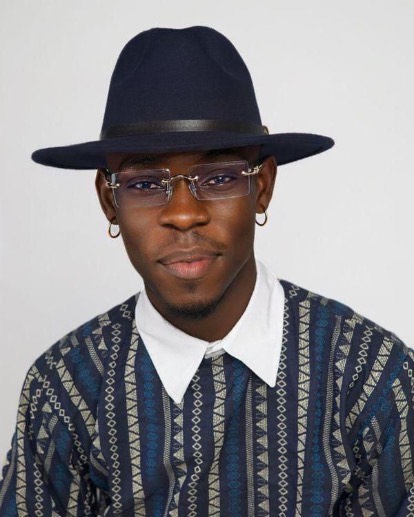
Business ideas do not always start with formal plans or funding. Sometimes, they begin with a skill learned early in life. This was the case for fashion designer Adebodun-Toplonou Deyon. The foundation of his brand started in childhood when his mother, a tailor, introduced him to sewing at the age of 10. What began as a form of punishment gradually became structured learning, and over time, it developed into a craft that would shape his career.
Today, that early training has evolved into R, a contemporary fashion brand gaining visibility in Nigeria’s creative industry.
A Skill That Started Early
Growing up around tailoring meant Deyon was constantly exposed to the technical side of garment production. He learned to thread machines, cut fabric, and run errands in the workshop and eventually started sewing complete pieces himself through observation and practice.
That early exposure helped him understand the discipline required in fashion. It also shaped his appreciation for craftsmanship and the emotional value clothing holds for people.
After completing secondary school, he began producing clothes for paying clients. He continued refining his skills even while studying at the University. During that period, his growing reputation opened new opportunities. He secured a contract to produce outfits for the National Teens Mass Choir of the Redeemed Christian Church of God while still a student. The experience became an early validation of his craft.
Launching a Fashion Brand
In 2016, Deyon formally launched his fashion brand, R, in Lagos.
The brand began on a small scale, like many emerging fashion businesses. Custom orders served as the primary source of income, and profits were reinvested into production and refining the brand’s identity.
Alongside building the brand, he also gained industry experience by working in the fashion ecosystem. He served as a hub manager at a Jumia affiliate and later as a production manager at the fashion label Orange Culture.
Those roles provided both exposure and operational knowledge that helped strengthen his understanding of the business side of fashion.
In 2024, he decided to leave paid employment and focus fully on growing his brand.
The Challenge of Funding
One of the biggest obstacles in building the business has been access to capital. Fashion production requires significant financial investment, from sourcing fabrics to manufacturing and logistics. According to Deyon, attempts to secure grants and investors did not always succeed.
As a result, he adopted a gradual growth strategy instead of relying on external funding. Profits from custom orders were reinvested in small-batch production. This strategy allowed the brand to grow steadily while maintaining financial control.
Breaking Into the Market
Like many creative ventures, building market recognition took time. Fashion brands depend heavily on trust and identity. This means that customers are not simply buying clothes but the story and confidence the designs represent.
Deyon spent several years refining the brand’s aesthetic, strengthening its positioning, and consistently showcasing his skills. Over time, that consistency began to pay off, and Fashion platforms such as Fashion Finest Africa have featured R at curated industry events.
These opportunities increased the brand’s visibility and introduced it to new audiences.
Deyon and His Decision to Build Locally
At a time when many young Nigerians are considering opportunities abroad, Deyon has chosen to build his brand locally. He believes Nigeria’s cultural and creative identity offers unique opportunities, especially in the fashion industry. For him, building the brand within the country is part of contributing to that creative narrative.
Beyond producing clothing, his long-term goal is to build a legacy that reflects his origin.
Deyon’s journey highlights how early skills can evolve into sustainable ventures when combined with discipline and persistence.
About The Author